How Family Meals Can Reduce Loneliness

Lindsay Knake
| 3 min read
Nearly a third of Americans report feeling lonely at least once a week, according to the American Psychiatric Association. And young people are more likely to report feeling lonely several days a week.
According to the World Happiness Report, more and more Americans are dining alone, especially young Americans. About 25% of Americans eat alone daily, which is a more than 50% increase since 2003.
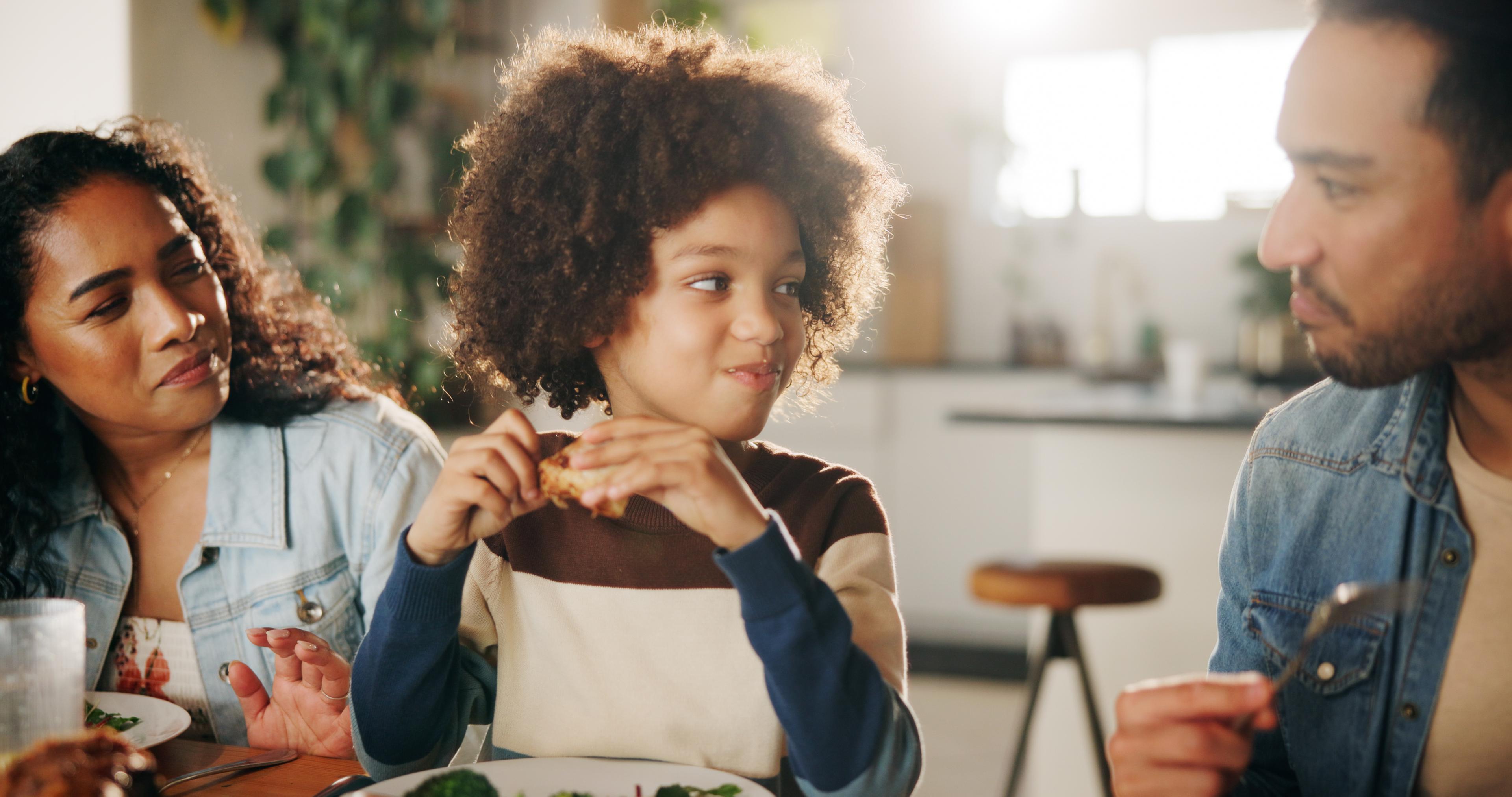
Family meals are a way to build connection and reduce feelings of loneliness. Here is a look at what research says about how family meals can help kids with their mental and physical health.
Family meals and better mental health
Long-term loneliness and poor social connection are associated with an increased risk of anxiety and depression. But eating together regularly is linked to improved mental health, according to multiple studies. Children who eat meals with their family show less depression, decreased alcohol and substance use, lower risk of disordered eating and less violent behavior.
In a small 2020 study published in the American Psychological Association, nearly 400 teens reported less burnout and distress and increased happiness and fulfillment on the days they had a family meal compared to the days they didn’t.
Social eating can also help strengthen relationships and improve communication. In nations where people share meals more often, they report less loneliness and more social support, per the World Happiness Report.
Parents also benefit from family meals. According to a report from the American Heart Association, parents report lower levels of stress when they consistently share food with loved ones.
Another benefit of family meals there is an association between social eating and increased intake of fruit and vegetables, according to a review of research. Eating a nutritious diet is also connected to fewer symptoms of anxiety and depression.
How to create family meals
Here are a few ways to get started with a family meal:
If you don’t eat family meals regularly, start with one day a week. Consider preparing a special menu of healthy favorites, but the meals don’t need to be elaborate or perfect. Cooking together is a way to bond and teach children how to prepare food. Kids can take on age-appropriate tasks while cooking. If dinner doesn’t work with your family schedule, a weekend breakfast or brunch
Put away your phones and turn off the TV. Even the presence of phones can be distracting and remove attention from other people.
Prepare a few conversation topics, such as talking about the best part of your day, a challenge you are facing and something you are excited about. Parents can show vulnerability by sharing their own challenges and talking through coping strategies with their kids. Even if kids or teens seem like they aren’t interested in sharing about their lives, showing up and asking questions demonstrates care and can help build trust. You could also share a favorite memory from a vacation or holiday. Adding fun and silliness into the meal is another way to bond.
Image: Getty Images
Related: