Why Decluttering Makes Your Brain Happy and How to Start
A Healthier Michigan
| 4 min read
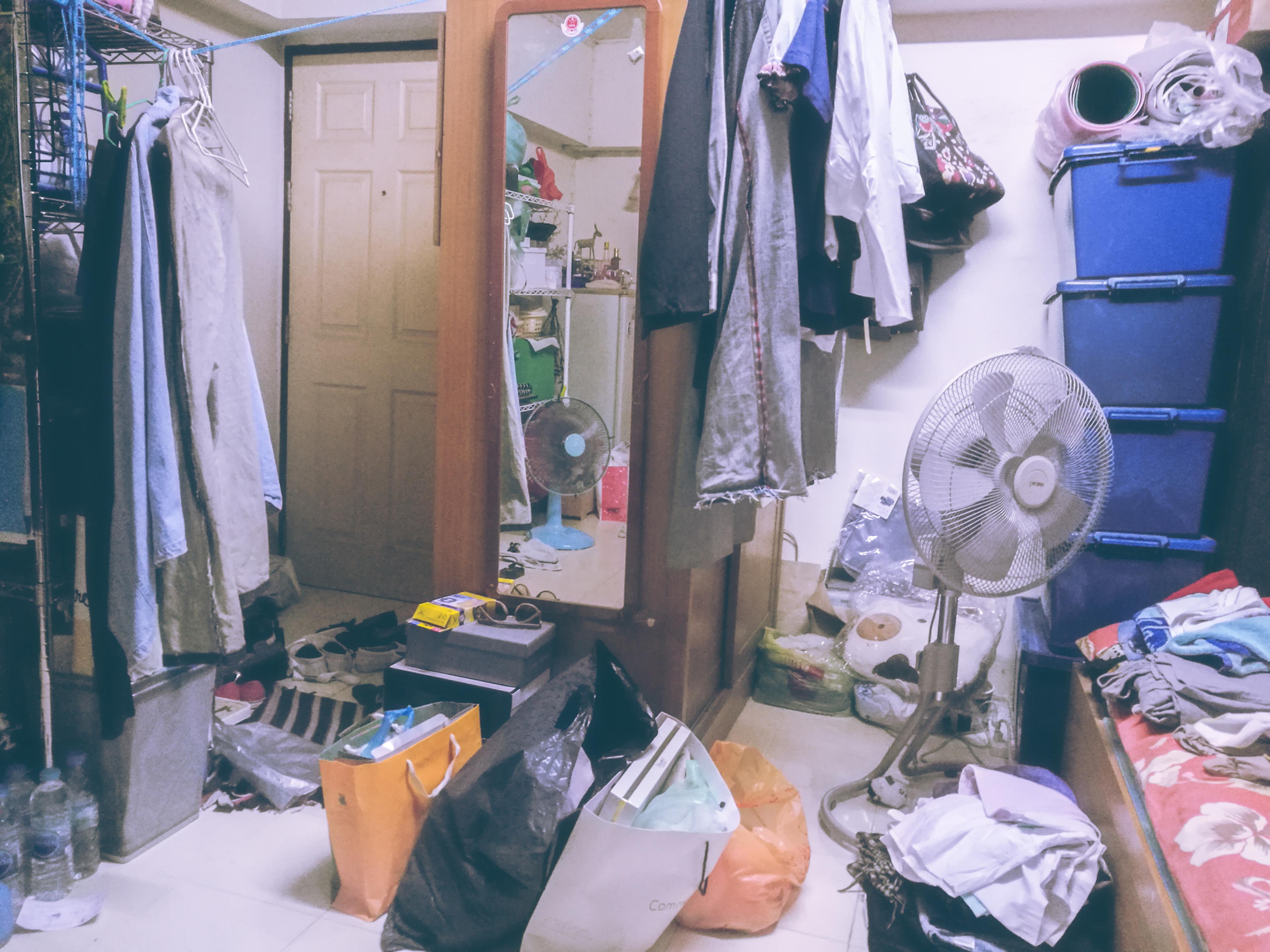
Have you ever spent time you didn’t have searching for your keys, an important paper or your favorite pair of shoes? If your answer is "yes," you might have a clutter problem.
That can not only make for an unsightly home, it can mess with your mental health as well. Looking at the same stacks of stuff can make you feel bad about your space and by extension, yourself. Science confirms what you might have intuitively suspected. A University of California, Los Angeles study Research found a correlation between a high density of household objects and elevated cortisol. Research has also shown that clutter makes it harder for your brain to concentrate and process information.
If you think clearing your clutter could lead to a clearer mind, here are some tips to get started:
Designate “move it," “lose it” and “donate it” piles: As you go through your stuff, have boxes ready to sort it into. If something isn’t working in a space, but it’s something you can’t let go of, put it in your “move it” box. Then, set it aside to be put away in a different place. “Lose it” is for things that aren’t in good enough shape to donate – throw these away or ideally, try to recycle them. “Donate it” items can be taken to your local thrift shop.
Take it one drawer, cabinet, closet and surface at a time: Decluttering your entire home in one day isn’t realistic. Set a goal to tackle one space in your home at a time. Take everything out or remove everything from a surface. Take each item and consider if it’s something you really need, how often you use it, and whether it belongs in one of your boxes or piles. Once you know what’s going back in, determine whether or not any organizing shelves or totes would be helpful to ensure everything has a place. Depending on how much stuff you have, you might be able to tackle a whole room in a day working this way or you might only be able to get through one drawer. Progress is progress!
Enlist other household members to help: Are your kids’ toys a constant source of stress? Is your roommate’s shoe collection slowly creeping into your home’s common areas? Talk to them. Explain that clutter makes you feel bad about your living space and work with them to develop a plan to get it under control. Here are some great tips for decluttering with kids.
Don’t let the clutter in to begin with: As you start to breathe easier in your decluttered surroundings, don’t give in to the temptation to fill up the space again. When the shopping bug bites, consider why you’re tempted by a potential purchase. Do you truly need it or are you trying to fill an emotional void? Is it something you absolutely love or do you feel pressured to buy something quickly for an upcoming event? Before you leave the store with something new, be honest with yourself. If you can, wait a week. If the item in question is still on your mind, maybe it is something you can find a place for in your home. Just make sure you take similar items you already own and move them to your “donate it” pile.
Keep at it: Decluttering is an ongoing process. Papers alone need constant attention, but a little time spent each day recycling and filing is preferable to hours spent dealing with a stack that’s built up due to neglect. If you take something out, be vigilant about putting it back. Commit to 20 minutes a day putting things back where they belong once your home is decluttered and organized.
Read on:
- Health Benefits of Using a Sauna
- How to Treat Your Weekend Like a Vacation
- ‘Alcohol is Not Your Friend:’ BCBSM Medical Director of Behavioral Health Digs into His Passion for Advocating Against Alcohol Abuse
Photo credit: Getty Images