Is Creatine a Safe Supplement?

Lindsay Knake
| 3 min read
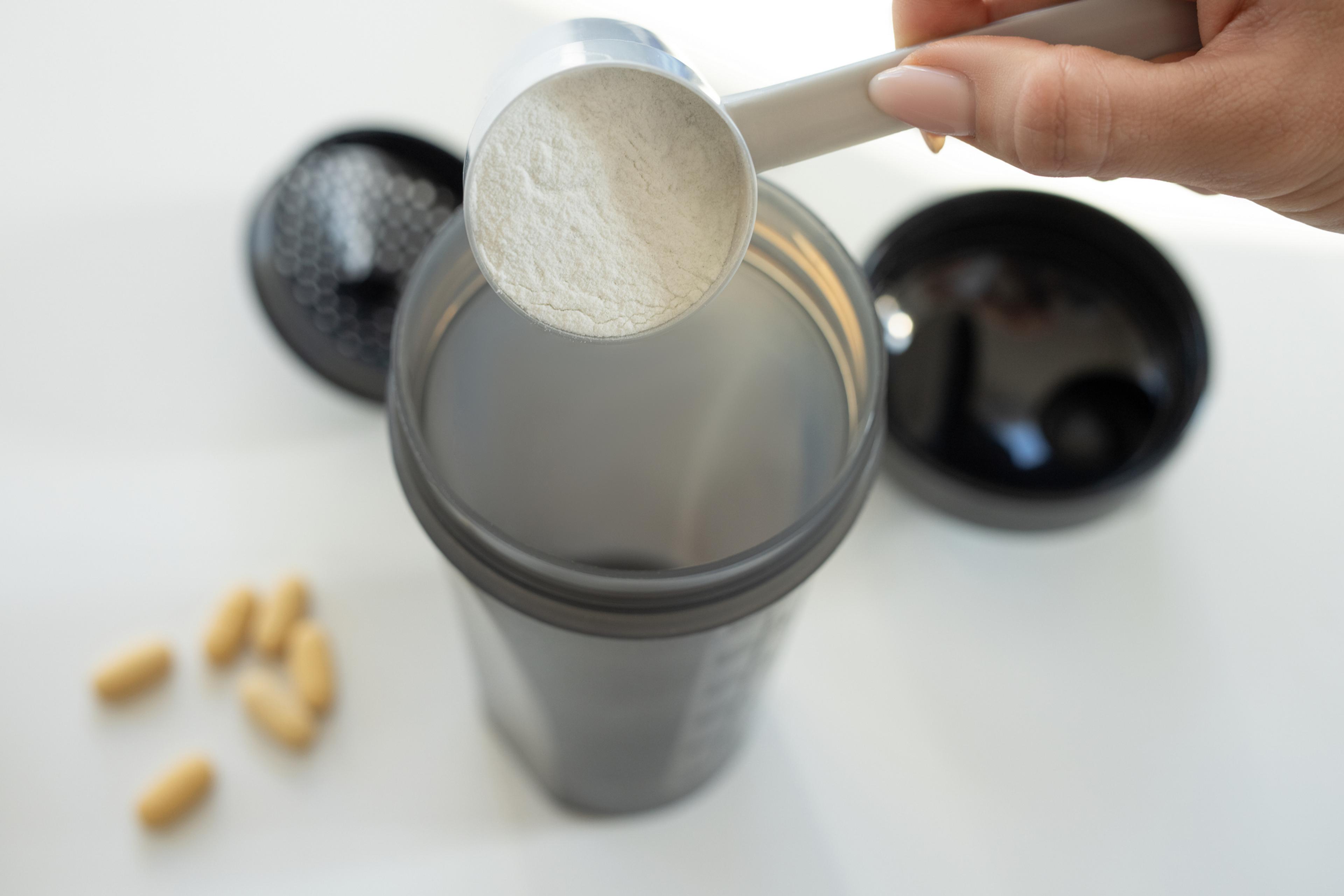
Creatine is a popular supplement for people looking to improve their athletic performance or muscle mass.
What is creatine and is it safe to take? Here are a few things to know.
What is creatine?
Creatine is a source of energy for your muscles, especially during exercise and physical activity, according to the Cleveland Clinic. Your skeletal muscles use the vast majority of creatine as they convert it into energy for intense exercise like lifting weights or sprinting. The liver, kidneys and pancreas produce about half the creatine we need, and the rest comes from our diets. Foods that offer creatine include:
- Red meat
- Poultry
- Fish and shellfish
- Dairy milk
But adding creatine as a supplement, most commonly creatine monohydrate, has become popular among elite and recreation athletes alike. The supplement is purported to improve performance. Per the Cleveland Clinic, creatine monohydrate supplements along with exercise may have some benefits, including:
- Improve athletic performance
- Increase muscle mass
- Aid in recovery after exercise
- Increase muscle health
A 2023 study in the Journal of the International Society of Sports Nutrition (ISSN) looked at decades of research on creatine monohydrate and found it may help increase body mass and time to exhaustion during high intensity workouts. This makes creatine especially good for weightlifting, sprinting, team sports and sports that require bursts of energy.
A 2022 review of 35 studies involving more than 1,100 participants found weight training and taking a creatine supplement contributed to adult men gaining about 2 to 3 pounds of lean body mass.
The effect of creatine for endurance athletes such as long-distance runners is mixed, and more research is needed.
Creatine may also help vegans and vegetarians who don’t get enough of the substance in their diets and people who have neurogenerative diseases, diabetes and osteoarthritis, according to the Cleveland Clinic.
Is creatine safe?
Foods such as meat and dairy can offer about 1 to 2 grams of creatine per day, or about half of the creatine in your body, according to the Cleveland Clinic. Research on getting extra creatine from food sources is unclear, per Harvard Health, which is why people supplement it.
For those who want to take more for sports or health, taking a supplement is generally safe for most adults, according to Harvard Health. Talk to your primary care provider (PCP) before taking any supplements, especially if you have kidney or liver disease, diabetes or are pregnant or breastfeeding. The ISSN notes women may respond less to creatine supplements than men because they generally have a higher store of creatine in their muscles. Additionally, individuals will respond differently to the supplement.
Taking 3 to 5 grams a day is generally a safe level to build and sustain creatine stores, according to Harvard. Some athletes start with taking up to 20 grams per day in four portions for five to seven days and then go to a maintenance dose of 5 grams per day. This can create water retention that will go away within a few days.
Supplementing with creatine close to exercise and taking it with carbohydrates may also be most beneficial, according to the ISSN.
You can find creatine as powder, capsules, tablets and liquids, among other forms. Supplements are not regulated by the U.S. Food and Drug Administration and may not contain the contents on the label. If you need to take a supplement, look for products approved by the United States Pharmacopeia (USP) or National Science Foundation (NSF). This means they are tested and certified by an independent third party.
Creatine can have some side effects, including:
- Water retention
- Nausea and vomiting
- Diarrhea
- Dizziness
- Increased sweating
Talk to your PCP about any of these symptoms, and you may also consider taking a smaller dose to reduce the side effects.
Image: Getty Images
Related: