Which Produce Stays Freshest the Longest?

Lindsay Knake
| 3 min read
No one wants to buy fresh produce only to throw it away.
As most Americans don’t get enough fiber in their diets, knowing how to keep fresh produce can help you ensure you get the fiber, nutrients and minerals you need. It can be helpful to know how long produce lasts when you are budgeting, writing your grocery list and planning your meals.
Here is a list of fruits and vegetables that last longer, along with a few tips on extending their freshness.
What produce stays freshest the longest?
Apples and pears
These two fruits can last for up to four months when stored at about 32 degrees Fahrenheit. If you prefer Honeycrisps, store them at 36 degrees F.
Store apples and pears in a plastic bag in the fruit crisper drawer and keep them away from vegetables.
Beets
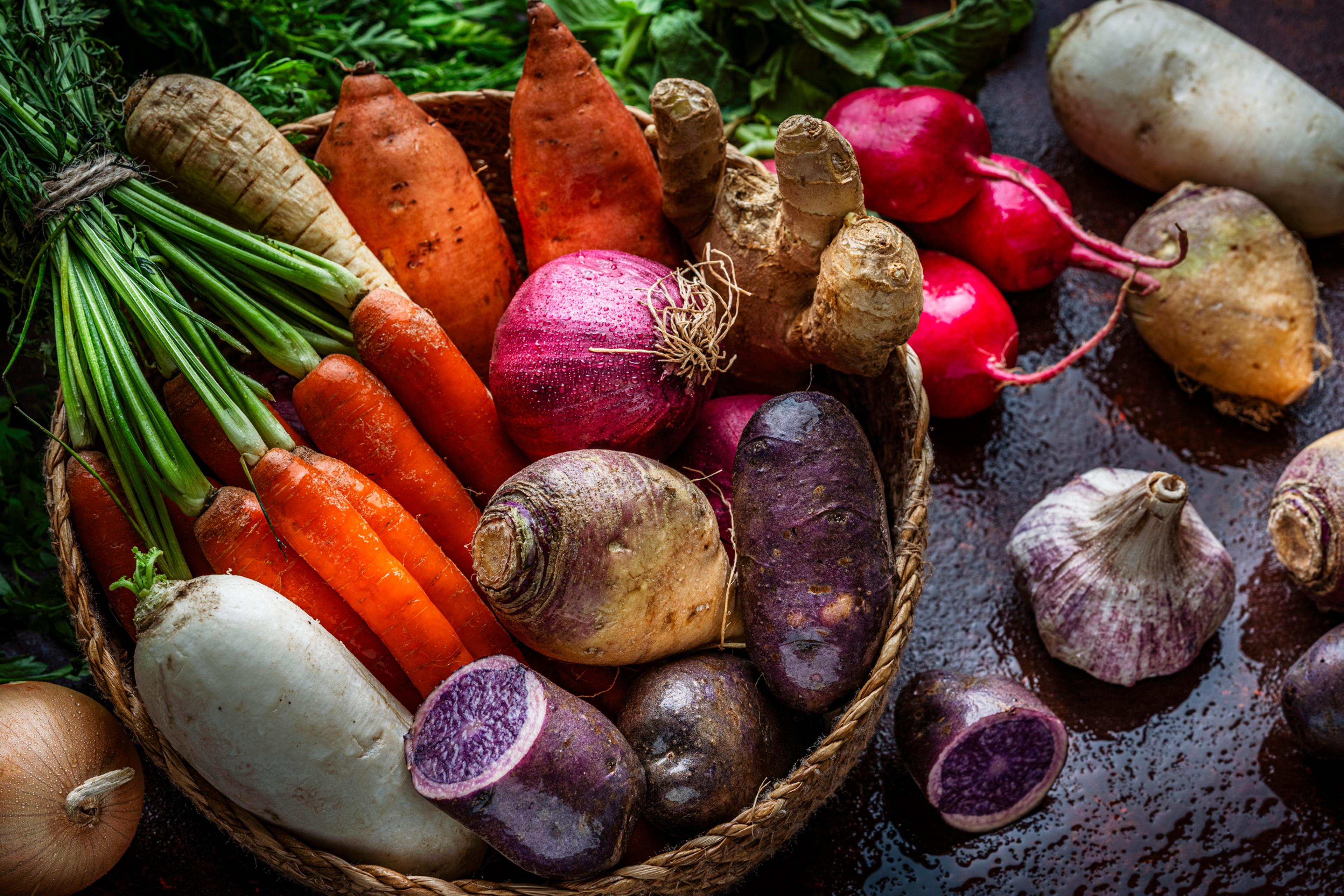
You can store beets from two to four months in the refrigerator. Cut off the greens and keep the beets in a perforated plastic bag in vegetable crisper.
Carrots and parsnips
Carrots and parsnips can stay fresh for several weeks, especially if they stay dry. Put a paper towel in a plastic bag to collect moisture from the root vegetables and replace it when it gets saturated.
Citrus fruits
Keep your oranges, lemons and grapefruits in your fruit crisper, where they can stay fresh for two weeks or more. They need oxygen, so store them loose or in a mesh bag.
Garlic
Whole heads of garlic store well for a few months at 60 to 65 degrees F, such as in a dark kitchen cabinet or pantry. To make garlic last even longer, keep the heads in a paper bag in the refrigerator.
Onions
Onions store well in mesh bags placed in a dry, dark cabinet for about a month. To keep them even longer, store them at 30 degrees to 50 degrees, such as in a dry room in the basement.
Potatoes
Potatoes, including sweet potatoes, store well for two to four months in a dark, cool place such as a basement. But keep potatoes away from apples and onions, which produce a gas that can ripen potatoes more quickly.
Winter squash
Hearty winter squash such as butternut squash, acorn squash and pumpkin will keep for two to six months in a dark cabinet or pantry. They need air to circulate around them, so don’t stack them too tightly.
Frozen and canned fruits and vegetables
Frozen and canned fruits and vegetables are other good options to keep on hand for healthy meals and snacks such as smoothies and stir fries.
Frozen produce can last eight to 12 months in tightly sealed bags. Canned produce can last for more than a year to a few years in a properly sealed and undamaged can.
What produces spoils more quickly?
For meal planning, produce you should plan to eat within a few days or a week includes:
- Avocado
- Bananas
- Berries
- Fresh herbs
- Leafy greens
- Mushrooms
- Peppers
While bananas can keep at room temperature, keep the others in the proper crisper drawer to extend their freshness.
Image: Getty Images
Related: