How to Make Your Own High End Frozen Meals

Lindsay Knake
| 4 min read
While store-bought frozen meals are convenient, they can come with ultra-processed ingredients and high levels of sodium.
Making your own meals to freeze can ensure you have healthy, tasty meals on hand when you don’t have time to cook – or if you don’t feel like it. This can also help prevent food waste if you make a big batch of freezer-friendly soup or sauce.
Here are ways you can make your own healthy frozen meals, foods that don’t freeze well and a few tips on how to safely freeze and store meals.
Tips to make high end frozen meals
Here are ideas for healthy meals you can make and freeze in individual portions.
Soups and stews
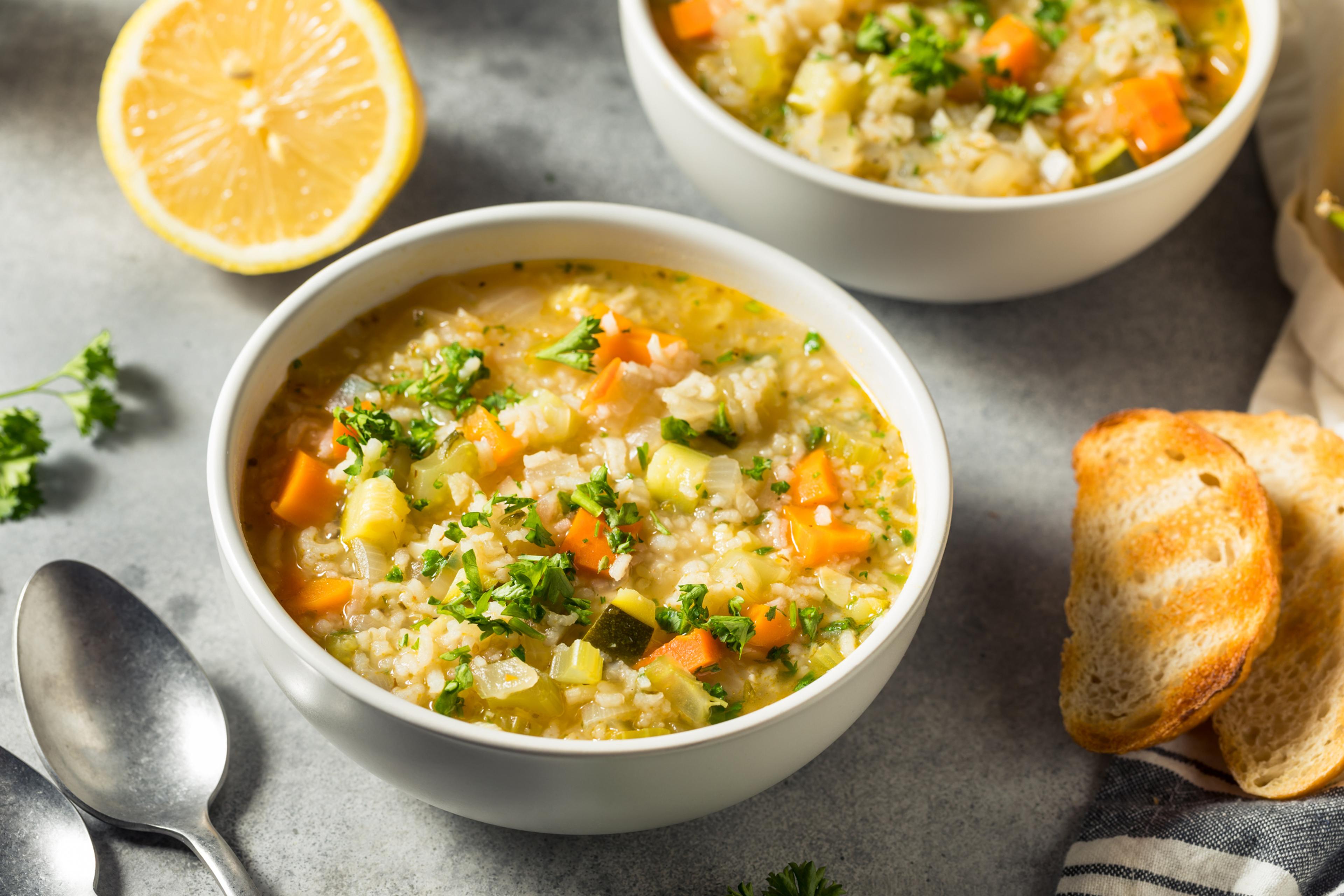
Soups with a protein, whole grain and vegetables are healthy, delicious winter meals that provide extra hydration because of the broth. Beef stew, chicken soup with rice or egg drop soup are all cozy winter meals. For vegetarian options, use beans or make a tasty minestrone or tomato soup. Grains such as brown rice, farro or barley can provide fiber and flavor.
Add hearty vegetables such as sweet potatoes, butternut squash, carrots and peppers and greens such as kale for nutrients to keep you healthy.
Chili
Beef, turkey or chicken chili with beans and vegetables make a cozy meal on a cold evening. Loading the recipe up with bell peppers, corn, root vegetables, squash and celery adds fiber, vitamins and minerals to a classic chili recipe.
Shredded pork or beef
Making shredded pork or beef to thaw for tacos or sandwiches can be a fun winter meal. Thaw the meat and use in your favorite taco recipe with fresh cilantro, onion and salsa, or add barbecue sauce for a sandwich or eat it on its own with vegetables.
Rice or quinoa for stuffed peppers
A mixture of cooked rice or quinoa and vegetables to use for stuffed peppers or as a side dish can be an easy evening meal. Take the mixture out of the freezer, thaw and use it in a stuffed peppers recipe.
Fresh herbs
One way you can liven up winter meals or frozen dishes is by washing and laying them flat on a baking sheet for a one-hour flash freeze, then store them in freezer-safe bags.
Foods that don’t freeze well
As you prepare freezer meals, it is important to know what kinds of foods don’t freeze as well.
Pasta
Pasta can become soggy when it freezes and then thaws. One solution is to undercook the pasta and freeze it separately from a sauce. You can also freeze a sauce or soup and then add freshly cooked pasta when you’re ready to eat.
Vegetables in sauce
Like pasta, this combination tends not to freeze well as vegetables can become mushy in the sauce as the dish thaws. You can freeze sauces and vegetables separately to avoid the mess.
High water content produce
Produce with a high-water content are best eaten fresh or canned rather than frozen unless they are in another meal. Avoid freezing these types of foods:
- Citrus fruits
- Cucumbers
- Lettuces
- Cabbage
- Fresh tomatoes
- Zucchini
Baked or boiled potatoes
While potatoes can hold up in a soup or stew, freezing baked or boiled potatoes will leave you with a vegetable filled with ice crystals and little shape.
Milk or cream
Meals that have a heavy dairy base aren’t good candidates for freezing as the fat can separate from the liquid. Soup or stew with a small amount of cream should freeze just fine.
Tips on freezing foods
Here are a few more tips on safely freezing and storing your meals:
- Cool your food completely before freezing to reduce the risk of foodborne illness.
- Keep foods in individual portions.
- Use freezer-friendly, air-tight containers or bags and ensure they are sealed.
- Push out as much air as possible from freezer bags.
- Label and date your foods.
- Keep your freezer about 75% full to maintain the shelf-life of your food.
Image: Getty Images
Related: